Loading resources
Articles on pediatric, pregnancy, and family nervous system care from the Piedmont Ave clinic.
Pain is often how you arrived. It is not always the whole picture. Here is how we look at a nervous system that will not downshift, after the flare, and why a Program is not a package.
A walk can change the afternoon. So can a body that will not let you start. Here is how movement and the nervous system talk, without a gym lecture or a promise about mental health.
Your child walks in already loud. Within minutes you are too. That is not a failure of patience. It is two nervous systems talking. Here is how we look at that, without making you the project.
A workday can leave the neck and shoulders in a shape you take home. This is not a lecture about ergonomics. It is a look at the pattern a nervous system holds when the day never ends.
Pain that starts in the low back or hip and travels down the leg is often a load the pelvis is carrying, not a mystery you have to walk off. Here is what that pattern can be, what we look at, and which signs mean you should call a doctor first.
Heart rate variability (HRV) is one of the best available measures of how well your nervous system adapts to stress. Here's what the numbers mean, why they change, and how chiropractic care can support better HRV.
A sore jaw, morning headaches, or teeth that feel tired are often a nervous system habit, not a dental mystery. Here is what clenching is doing, what we look at, and when your dentist still needs to be in the room.
You can sleep seven hours and still wake as if you borrowed them. Recovery is a nervous system skill. Here is what we look at when tired has become the baseline, and why a picture of that load can be more useful than another sleep tip.
The fourth trimester is a real, physical recovery process. Gentle chiropractic care supports pelvic stability, nursing posture, and nervous system recovery after birth.
Gas, straining, arching, and a belly that never quite settles are often read as a phase. They can also be a nervous system that cannot shift into rest and digest. Here is how we look at that picture.
Tummy aches before school, bathroom battles, and a stomach that always has an opinion are often treated as food or nerves. They can also be a nervous system that will not let the gut rest. Here is how we look at that in kids.
Slouching is easy to nag about and hard to change with reminders. How a child holds their body is often a nervous system pattern, not a habit they forgot. Here is what we look at instead of another 'sit up straight.'
Hours of crying, spit-up, and a body that will not settle are often read as a phase. They can also be a nervous system that cannot downshift. Here is what we look at, without promising to resolve colic.
We do not treat autism. We look at how a sensitive nervous system carries load, then we show you the picture. Keep the therapies that help. This is a different job.
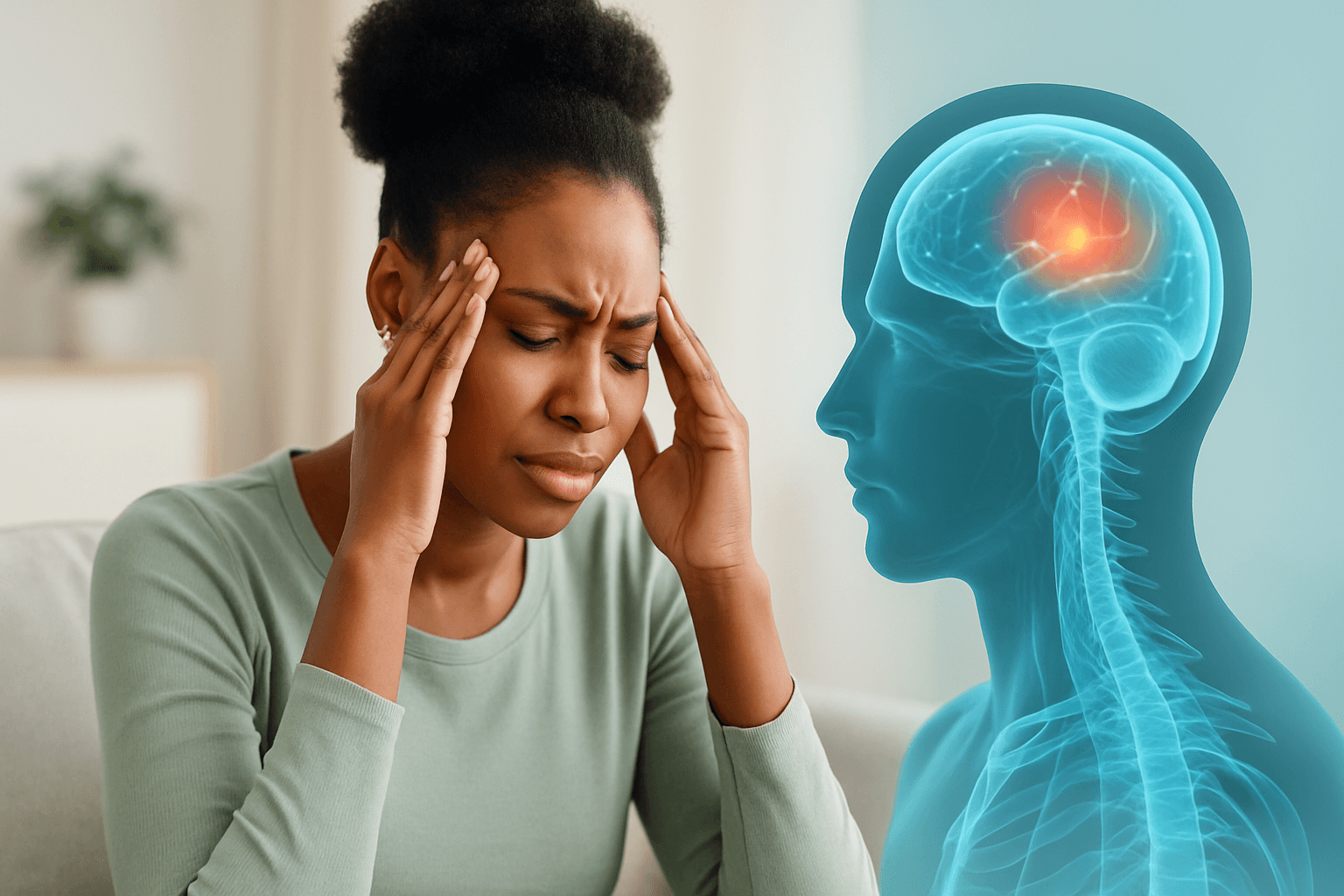
A headache can be the day. Medication takes the edge off. The pattern still returns. Here is how we look at neck load and nervous system stress, and which signs mean you call a doctor first.
Three gentle, non-invasive scans measure how the nervous system is handling stress. No radiation. No needles. Here is what each one shows, and how they guide care at Fika.
Fika is out-of-network. We do not bill insurance directly. Here is how a Superbill works, what HSA and FSA cards can cover, and where the investment numbers live.
4187 Piedmont Ave, Oakland CA 94611. Across from Landmark's Piedmont Theatre
Complimentary parking is in the lot behind the building, with street parking on Piedmont Ave as a backup. The clinic is on the second floor.
A walk-through of the Fika Discovery Experience on Piedmont Ave in Oakland. Two visits, INSiGHT scans, and a named next step.
A long labor, a C-section, a vacuum, or a straightforward birth can leave tension in a baby's neck and nervous system. Here is what that can look like, without calling it trauma as a verdict.
A child who trips, bumps, or seems a step behind in their body is often doing extra work to know where they are in space. Here is how the nervous system organizes coordination, and what we look at before anyone calls it clumsiness.
Labor asks a lot of a pelvis and a nervous system. Webster-informed care is about balance and a picture you can see, not a promise about how birth will go.
Nausea, fatigue, and a low ache in the first weeks are a different physiology than the third trimester. Here is what early pregnancy care looks like at Fika, how we think about morning sickness, and what we will not promise.
A sudden pull in the low belly or groin when you roll, stand, or sneeze is often the round ligaments asking for more room. Here is what that pain is, when it is ordinary, and how Webster-informed care can ease the load.
A new pillow helps until it does not. Late pregnancy sleep is a pelvis, a rib cage, and a nervous system that will not downshift. Here is what we look at when night has become a project.
A sharp or grinding pain at the pubic bone, or a pelvis that does not want to take a step, is often pelvic girdle pain. Here is what SPD can feel like, what we look at with Webster-informed care, and which signs belong with your midwife or OB first.
Pelvic pressure, sciatica, ribs that will not drop, sleep that is a project. The last weeks are a different physiology. Here is what we look at, without promising a pain-free pregnancy.
Webster is pelvic-balance analysis. It is not a turning technique and not a promise. Here is what we do if position is the question, and who still leads the delivery plan.
Webster is a specific analysis for sacral and pelvic balance in pregnancy. It is not a turning technique. Here is what it is, what it is not, and how it shows up at Fika.
PX Docs is post-graduate pediatric training in neurologically-focused chiropractic. Here is what the credential means at Fika, how it sits next to INSiGHT scans, and what it does not claim.
Explore our library or let our quiz match you with the right resources for your family.