
Focused care for sensory challenges, emotional regulation, and coordination. Predictable visits that meet your child where they are.
Book the Discovery ExperiencePX Docs Certified · Piedmont Ave, Oakland
After the therapy circuit, still no picture of the system underneath.
He loved each session and looked forward to them. It was neat to see how relaxed he was, and to see his tests improve in one week.
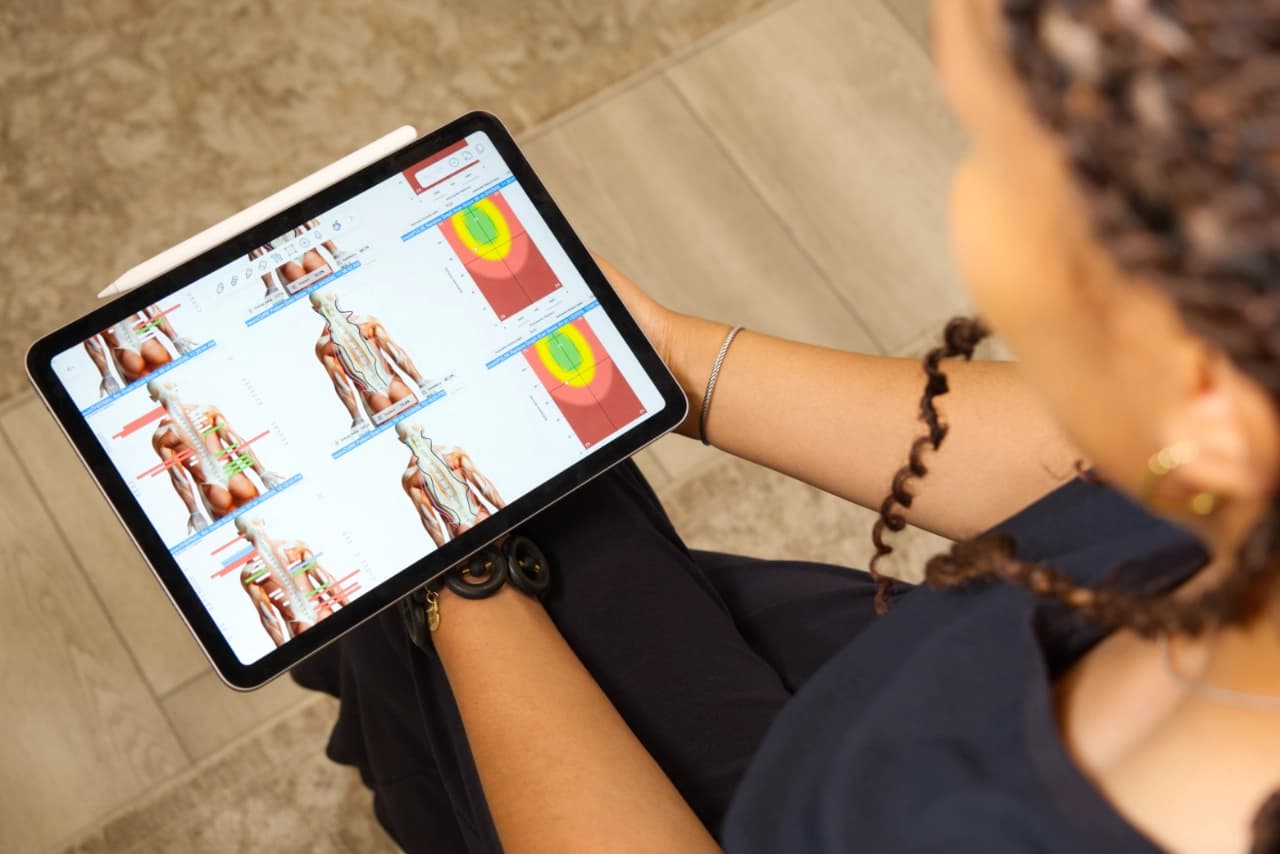
INSiGHT scans
We do not replace your therapy team. We measure nervous-system stress so you can see what has been hard to name, then decide if care here is a fit.
See how our scans work
The first door
Two visits. A clear picture. Then a plan. The same door for your child.
Visit 1. Discover
We listen to what you've been carrying, your goals, and what you'd like to change. Then a nervous system exam and INSiGHT scans, so we can see how your system is adapting to stress. When it is appropriate for this visit, a first gentle adjustment is included, paced to your age, your needs, and what we found.
Visit 2. Understand
We walk through your scans and what we're seeing, so the picture is yours. If care is a fit, we name a Program based on what we found and what you want to change.
Then a Program
If you continue, care is a named Program, not a package, and not a first-time book.
Piedmont Ave
4187 Piedmont Ave, Oakland(510) 756-3452
Book the Discovery ExperienceTwo visits. Then you know what we're seeing, and what comes next.
We welcome a handful of new families.
Book the Discovery ExperienceAlso
Coming with more than one of you? Start with the Family door.